
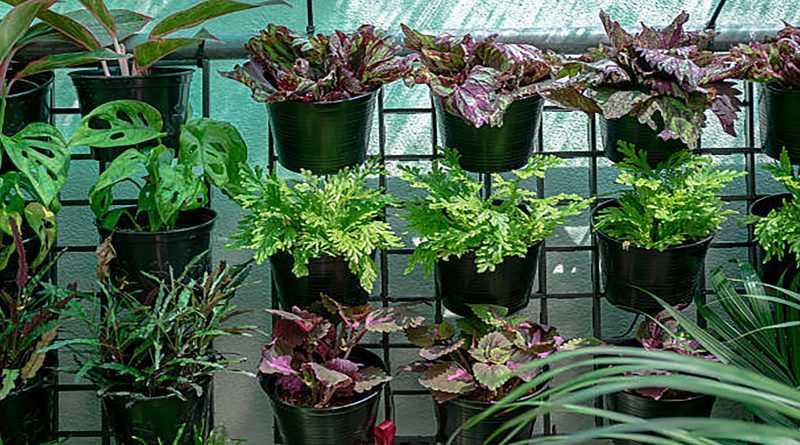
Elevate Your Space: Vertical Gardening for Low-Light Apartment Balconies (2026 Guide)
Urban living often forces a compromise between city convenience and a connection with nature. For those living in high-rise buildings, Vertical Gardening for Low-Light Apartment Balconies has emerged as a revolutionary way to bring greenery into cramped, shaded spaces. In my experience, you don’t need a sprawling backyard or direct sunlight to cultivate a thriving sanctuary; you just need to rethink your available dimensions and plant choices.
1. The Challenge of Urban Gardening
Space and light are the two most expensive commodities in modern cities. Most apartment dwellers face significant hurdles when trying to start a traditional garden.
Limited Floor Real Estate
Most balconies are barely wide enough for a chair, let alone a collection of large pots. Traditional horizontal gardening quickly consumes walkable space, making the area feel cluttered rather than peaceful.
The Shadow of Skyscrapers
In 2026, dense urban construction means many balconies are permanently shaded by neighboring buildings. This lack of direct sun can discourage beginners who believe plants only grow in bright light.
Wind and Microclimates
High-rise balconies often face harsh winds that dry out soil quickly. Understanding the specific wind patterns of your floor is essential for plant survival.
Weight Restrictions
Concrete balconies have weight limits. Filling a balcony with heavy ceramic pots and wet soil can pose structural risks, necessitating lighter alternatives.
Drainage Dilemmas
Managing water runoff is a common challenge I faced. Without a proper drainage plan, excess water can leak onto your neighbor’s balcony below, leading to unwanted friction.
2. Understanding Low-Light Conditions
Not all shade is created equal. Knowing the difference between light levels is the first step in successful shade-oriented cultivation.
Defining “Low Light”
Low light typically means no direct sun reaches the area, but there is enough ambient light to read a book without a lamp during midday.
Partial Shade vs. Full Shade
Partial shade refers to 2–4 hours of sun, while full shade means the area only receives reflected light. Most urban balconies fall into the “Partial Shade” category due to surrounding glass buildings.
Using Light Meter Apps
I tested this tool of using smartphone lux meter apps to track light levels throughout the day. I found that what looks “bright” to the human eye is often insufficient for sun-loving vegetables.
The Impact of Reflection
Light-colored walls or glass windows opposite your balcony can reflect significant “bonus” light into your space, which is a major advantage for shaded areas.
Seasonal Light Shifts
In winter, the sun sits lower, potentially casting longer shadows. A vertical setup allows you to move plants higher or lower as the seasons change.
3. Benefits of Vertical Gardening
Going vertical is the smartest design choice for a compact outdoor area. It maximizes your “green per square inch” ratio.
Reclaiming the Floor
By moving plants to the walls or hanging them from the ceiling, you keep the floor clear for furniture, making the balcony feel like an extension of your living room.
Improved Air Circulation
Plants stacked vertically often enjoy better airflow than those crowded on the ground, which significantly reduces the risk of fungal diseases.
Creating a Privacy Screen
A lush green wall acts as a natural curtain, shielding you from the prying eyes of neighbors while dampening city noise.
Easier Maintenance
Having plants at eye level means no more bending over to pull weeds or check for pests. It makes the gardening experience much more ergonomic.
Aesthetic Transformation
A vertical green wall turns a boring concrete slab into a living piece of art. It creates a “jungle” feel that horizontal pots simply cannot replicate.
4. Choosing the Right Plants for Shade
Success in Vertical Gardening for Low-Light Apartment Balconies depends on selecting species that evolved on the forest floor, away from direct sun.
The Hardy Snake Plant
Snake plants are virtually indestructible in low light. Their architectural, upright leaves make them a perfect “background” for a vertical display.
Versatile Pothos (Devil’s Ivy)
Pothos is a champion climber and trailer. In my experience, letting it drape down from a high wall-mounted planter creates a beautiful “waterfall” effect.
Elegant Ferns
Boston Ferns or Maidenhair Ferns thrive in the humid, shaded environments often found on sheltered balconies. They add a soft, delicate texture to the garden.
Peace Lilies
If you want flowers in the shade, Peace Lilies are a great choice. They signal clearly when they need water by drooping, making them great for beginners.
Calatheas and Prayer Plants
These plants offer stunning foliage patterns and colors. They dislike direct sun, which makes them perfect candidates for the darker corners of your balcony.
5. Wall-Mounted Planters and Hooks
The walls are your greatest asset. Utilizing them effectively requires the right hardware and layout.
Floating Shelving Units
Installing slim, weather-resistant shelves allows you to treat your balcony wall like a bookshelf for plants, offering a clean and modern look.
Industrial Wall Hooks
Heavy-duty hooks can support hanging baskets. I tested this tool of using swivel hooks and found they are great for rotating plants to ensure even light exposure.
Minimalist Ring Holders
Metal rings that hold standard terracotta pots are excellent for a “floating” aesthetic. They are easy to install and very secure against wind.
Railing Planter Brackets
If you cannot drill into your walls, use brackets that hang over the balcony railing. This utilizes the outer perimeter without taking up floor space.
Safety First
Always ensure your wall-mounted hardware is rated for the weight of wet soil. Soil becomes significantly heavier after watering!
6. Vertical Pocket Planters
Fabric or plastic pocket systems are like “shoe organizers” for plants and are ideal for creating a dense wall of greenery.
Breathable Felt Pockets
Felt pockets allow air to reach the roots, which prevents root rot—a common issue in shaded, damp gardens.
Easy Installation
Most pocket systems can be hung with just a few screws or even heavy-duty zip ties, making them a “renter-friendly” option.
Ideal for Herbs and Ferns
Small-root plants like mint, parsley, or small ferns thrive in these pockets. They create a “living wall” appearance very quickly.
Managing Drip Down
The top pockets will naturally drain into the lower ones. This saves water but requires you to place “thirsty” plants at the bottom.
Lightweight Advantage
Unlike heavy pots, fabric pockets are extremely light, making them the safest choice for balconies with strict weight limits.
7. Stackable Planter Towers
If you have a free corner, a stackable tower can hold dozens of plants in a footprint no larger than a dinner plate.
The “Strawberry Tower” Design
These towers feature multiple tiers with planting ports. They are excellent for small flowers or leaf greens like lettuce that don’t need full sun.
Internal Irrigation Systems
Many high-end towers in 2026 come with internal pipes that distribute water from the top tier down to the bottom automatically.
Portability and Rotation
Most towers sit on wheels, allowing you to rotate the entire garden so the plants in the back get their fair share of reflected light.
Vertical Hydroponics
For tech-savvy gardeners, some towers use nutrient-rich water instead of soil, which is cleaner for apartment use and grows plants faster.
Maximizing Yield
A five-tier tower can house up to 20 different plants, effectively turning a tiny corner into a productive mini-farm.
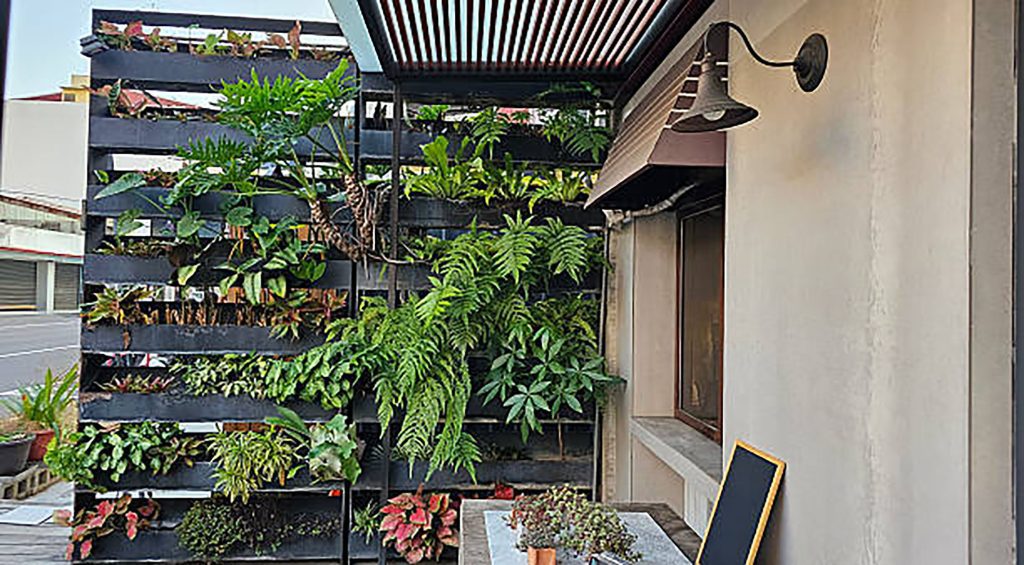
Master Your Craft 15 Minimalist Workspace Setup Ideas for Small Rooms (2026 Guide)
8. Using Trellises for Climbing Plants
Trellises guide your plants upward, turning a single vine into a massive green tapestry.
Wooden Lattice Frames
A classic wooden trellis adds a rustic charm. It’s perfect for plants like Ivy or Climbing Hydrangeas that prefer cooler, shaded spots.
Modern Wire Systems
Stainless steel wires stretched across a wall provide a nearly invisible support system, perfect for a high-tech minimalist look.
DIY Bamboo Frames
In my experience, tying bamboo sticks together into a fan shape is the cheapest and most effective way to support fast-growing climbers.
Guiding Growth
Use soft garden ties to train your vines. Avoid tight wires that can cut into the stems as the plant grows and thickens.
Strategic Privacy
Positioning a trellis at the side of your balcony can block a neighbor’s window while still allowing air to pass through.
9. The Importance of High-Quality Potting Mix
In low light, water evaporates slowly. Your soil must be engineered to prevent “wet feet” and root suffocation.
Prioritizing Drainage
Mix in extra perlite or pumice. Common challenges I faced included soil staying wet for weeks in the shade; aerated soil is the only solution.
Lightweight Peat-Free Mixes
Use coconut coir-based mixes. They are lighter than traditional peat and hold onto nutrients more effectively in vertical containers.
Adding Organic Matter
Even shade plants need food. Mix in a small amount of worm castings or slow-release fertilizer at the start of the season.
Avoiding Heavy Garden Soil
Never use “topsoil” from the ground in a vertical garden. It is too heavy and will compact over time, killing the roots in small containers.
Moisture Retention Crystals
While drainage is key, you don’t want the soil to go bone-dry. Modern crystals can help buffer the moisture levels in porous fabric pockets.
10. Watering Schedule for Shady Balconies
Overwatering is the #1 killer of shaded plants. Your schedule must be reactive, not just a fixed routine.
The “Finger Test”
Before watering, stick your finger an inch into the soil. If it feels damp, wait. Shade plants often need 50% less water than sun plants.
Bottom-Up Watering
For stacked systems, water the top lightly. The runoff will often be enough for the lower tiers, preventing the bottom plants from drowning.
Morning Watering Ritual
Water in the morning so the foliage has time to dry during the day. Damp leaves at night in a shaded area are an open invitation for mold.
Humidity Management
Shade plants love humidity. Instead of pouring water into the soil, try misting the leaves with a spray bottle every few days.
Using Self-Watering Pots
I tested this tool of self-watering reservoirs and found they are lifesavers for vertical gardens, as they provide consistent moisture without waterlogging.
11. DIY Hanging Pallet Garden
Repurposing wooden pallets is a sustainable and stylish way to build a vertical wall on a budget.
Sanding and Treatment
Before using a pallet, sand it down to prevent splinters and treat the wood with a non-toxic sealant to prevent rot from the damp soil.
Creating the Planter Boxes
Staple landscape fabric to the back and bottom of the pallet slats to create “troughs” where you can sit your pots or add soil directly.
Lean-to vs. Wall-Mounted
You can simply lean a pallet against the wall for a casual look, or bolt it down for a more permanent and secure installation.
Painting for Contrast
Painting a pallet white or a bright color can make your shaded balcony feel much brighter and highlight the dark green of the leaves.
Upcycling Success
This method is incredibly cost-effective. In my experience, you can often find pallets for free behind local stores, making the garden nearly free to build.
12. Smart Lighting for Dark Corners
If your balcony is truly a “dark cave,” 2026 technology offers artificial ways to keep your plants thriving.
Modern LED Grow Lights
Weatherproof LED grow strips can be tucked under shelves. They provide the specific blue and red light spectrums plants need to photosynthesize.
Solar-Powered LEDs
While tricky on a shaded balcony, placing a small solar panel on the outer railing can power low-energy lights for the darker inner corners.
Improving Reflectivity
Painting your balcony walls with “High Reflectance” white paint can increase ambient light levels by up to 30%, aiding plant growth naturally.
Timing the Light
Use a smart plug to set your grow lights for 6–8 hours a day. Consistency is more important for the plants than the intensity of the light.
Decorative Grow Lamps
Many grow lights now look like stylish desk lamps. They serve as both a survival tool for your plants and mood lighting for your evening tea.
13. Pest Control in Shaded Gardens
Shade and high humidity can unfortunately attract certain unwanted guests. Vigilance is your best defense.
Managing Fungus Gnats
These small flies thrive in wet soil. Adding a layer of sand or decorative pebbles on top of your pots prevents them from laying eggs.
Dealing with Mealybugs
These white, cotton-like insects love the sheltered nooks of vertical gardens. A simple spray of neem oil and water usually clears them up.
Improving Airflow
If you see white mold (powdery mildew) on leaves, it’s a sign your plants are too crowded. Pruning or spacing them out will solve the issue.
Natural Predators
Encouraging ladybugs or using predatory mites can keep pest populations in check without using harsh chemicals in your living space.
Regular Inspection
Common challenges I faced often started small. Checking under the leaves once a week allows you to catch infestations before they spread to the whole wall.
14. Maintenance and Pruning Tips
A vertical garden can quickly become an unruly mess if you don’t guide its growth regularly.
Pinching Back Vining Plants
To keep your Pothos or Ivy looking “bushy” rather than “leggy,” pinch off the ends of the stems. This encourages growth from the base.
Removing Dead Foliage
In low light, some older leaves will naturally yellow and die. Removing them immediately prevents mold and keeps the plant’s energy focused on new growth.
Rotating Pots
If your plants are in individual wall rings, rotate the pots 90 degrees every week to prevent them from leaning too heavily toward the light.
Cleaning the Leaves
Dust blocks light. Use a damp cloth to wipe the leaves of large plants like Monsteras or Snake plants so they can “breathe” better.
Managing Root-Bound Plants
Vertical containers are often small. Every spring, check if roots are growing out of the bottom; if so, it’s time to trim the roots or repot.
15. Aesthetics and Decor
Your garden should be a place of beauty, not just a science experiment. Small touches can turn a green wall into a designer space.
Integrated Fairy Lights
Weaving thin, waterproof LED “fairy lights” through your vertical planters adds a magical glow to the balcony at night.
Strategic Mirror Placement
A small, weather-resistant mirror placed behind a plant can double its visual volume and bounce extra light into its leaves.
Coordinated Pot Colors
Using a single color for all your pots (like all black or all white) creates a high-end, “curated” look that feels intentional.
Adding Small Sculptures
Tucking a small stone Buddha or a minimalist sculpture among the ferns adds a layer of personality and “zen” to the space.
The Power of Scent
Even in the shade, plants like Hoya or certain ferns have a subtle, earthy scent that makes the balcony feel like a true escape from city smells.
Conclusion
Building a Vertical Gardening for Low-Light Apartment Balconies is one of the most rewarding ways to reclaim your urban environment in 2026. By choosing the right shade-tolerant species and utilizing smart wall-mounting techniques, you transform a dark corner into a vibrant, oxygen-rich sanctuary. In my experience, the key to success is starting small—perhaps with a single trellis or a few felt pockets—and expanding as you learn the unique light patterns of your home. Don’t let a lack of sun stop you; your vertical garden is just one wall away from reality. Happy gardening!